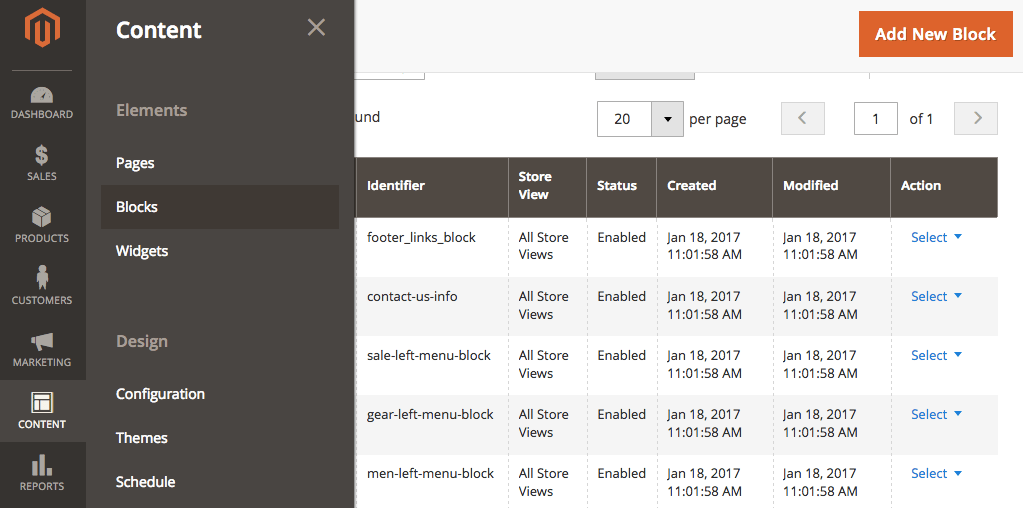
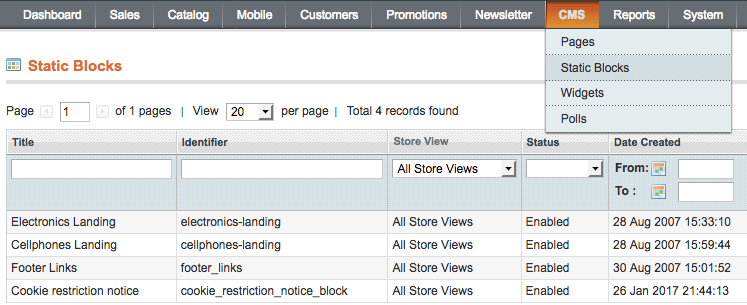
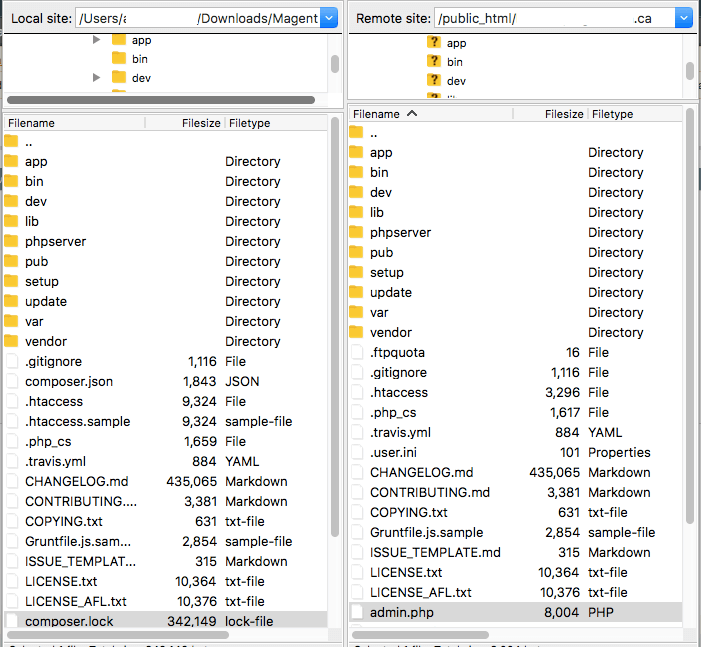
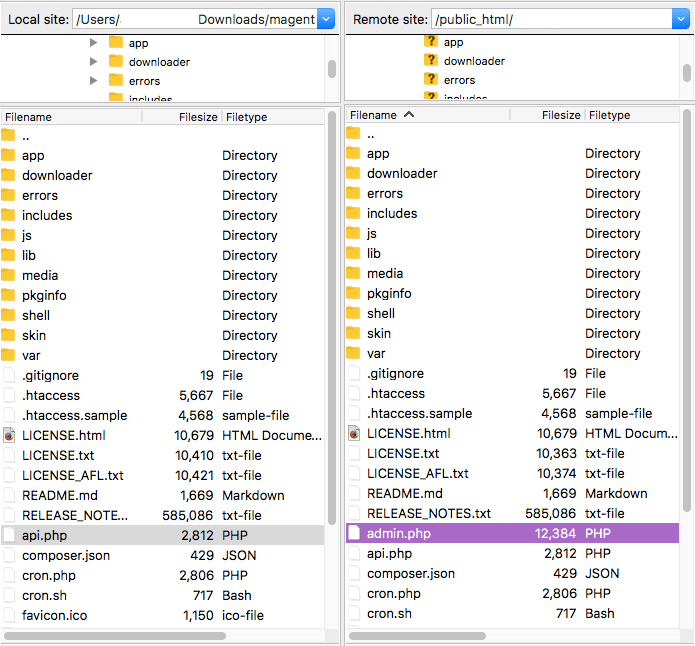
You can harden your Magento site by restricting file permissions and using custom .htaccess rules. You can also disable the downloader and change the admin backend URL, and take steps to prevent cacheleak and other implementation vulnerabilities. We recommend that you review the official Magento Security Best Practices for more information.
All ecommerce sites must use the HTTPS protocol. This can be accomplished by using an SSL certificate to verify your business and encrypt all transmitted data from the customer, including login pages and checkout pages. This also makes it easier to detect scripts and iframe injections that use the HTTP protocol, as this will cause mixed content warnings on your site. We give free SSL certificates to all Sucuri customers and can also work with any existing certificate.
Magento is becoming a bigger target for hackers as it gains more users and becomes a more mature open-source CMS option for web stores. Even if your payments are processed off-site, you should strongly consider a website firewall. This will protect your Magento website from vulnerabilities and restrict access to admin areas for unauthorized users.
The number of vulnerabilities exploited by attackers grows every day. Trying to keep up is challenging for administrators. Website Firewalls were invented to provide a perimeter defense system surrounding your website.
Benefits to using a website firewall:
By detecting and stopping known hacking methods and behaviors, a website firewall keeps your site protected against infection in the first place.
Hackers quickly exploit vulnerabilities in plugins and themes, and unknown ones are always emerging (called zero-days). A good website firewall will patch your holes in your website software even if you haven’t applied security updates.
A website firewall should stop anyone from accessing your wp-admin or wp-login page if they aren’t supposed to be there, making sure they can’t use brute force automation to guess your password.
Distributed Denial of Service attacks attempt to overload your server or application resources. By detecting and blocking all types of DDoS attacks, a website firewall makes sure your site is available if you are being attacked with a high volume of fake visits.
Most WAFs will offer caching for faster global page speed. This keeps your visitors happy and is proven to lower bounce rates while improving website engagement, conversions, and search engine rankings.
We offer all of these features with the Sucuri Firewall.